Saltar al contenido

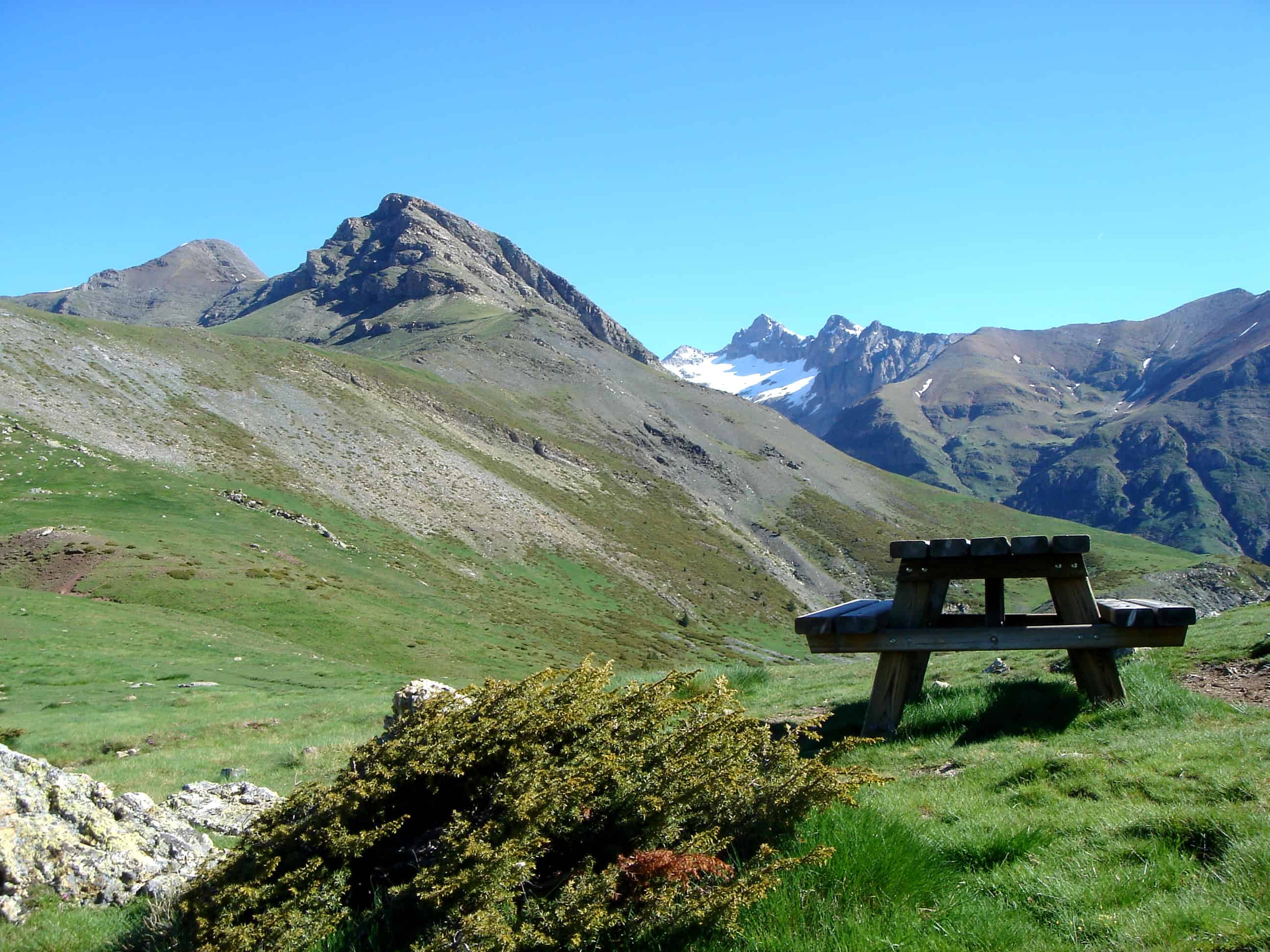
Las aguas del río Cinqueta surcan este valle, uno de los más auténticos del Pirineo. Paraíso natural y puerta de entrada al Parque Natural Posets-Maladeta, el valle Chistau es paisaje de contrastes. De las altas cumbres, desiertos de roca y piedra, como el Posets, Bachimala o Punta Suelza, a las verdes praderas donde todavía pasta el ganado. Desde aquí parten numerosas excursiones tan renombradas como el Ibón de Plan (o Basa de la Mora), los lagos de Millaris o Cruz de Guardia.

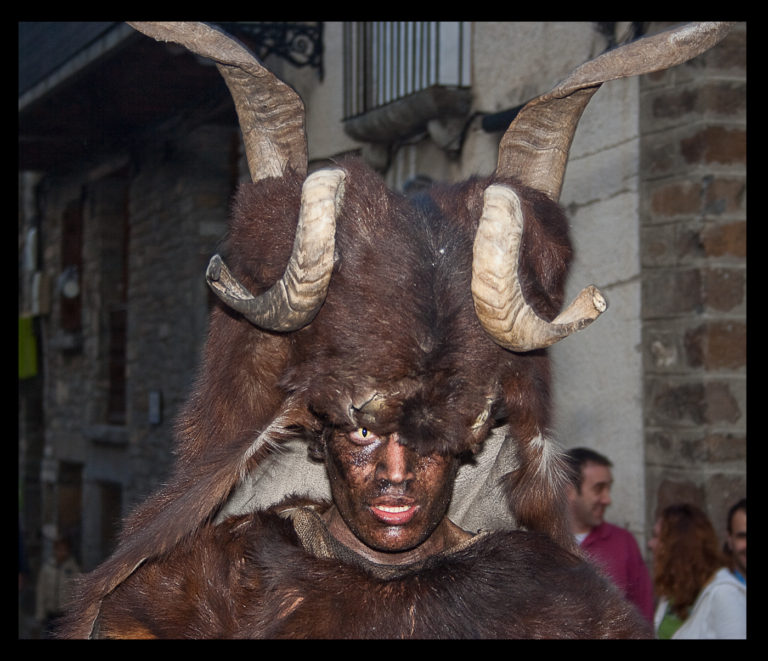
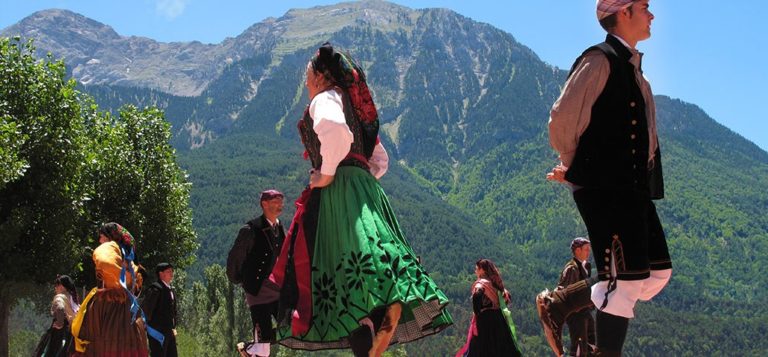
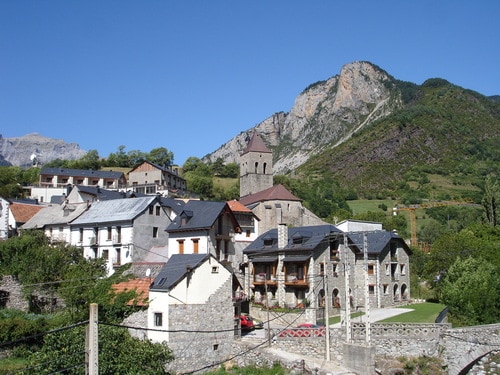
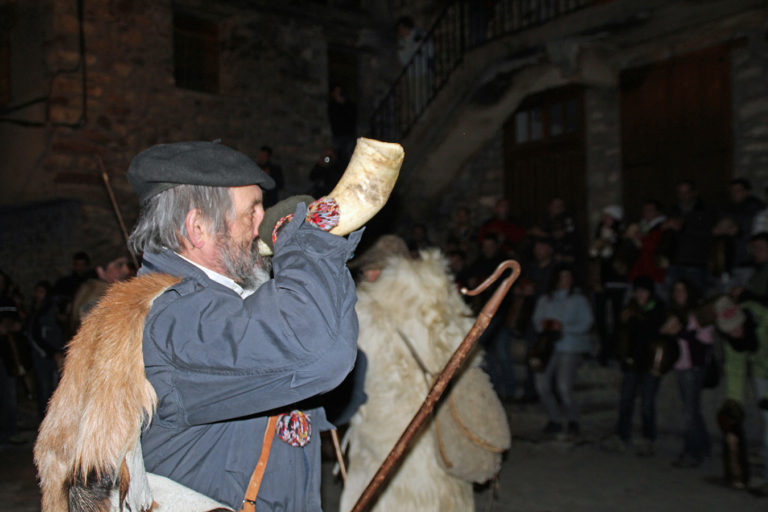
Geograficamente aislado, los pueblos de este valle tienen personalidad propia. Saravillo, Serveto, Sin, Plan, San Juan de Plan y Gistaín  mantienen intactas sus tradiciones, su propia lengua, el chistabín, y sus costumbres. Carnavales, fiestas tradicionales como Los Trucos,  trajes y bailes populares siguen representándose cada año en los pueblos del valle Chistau.
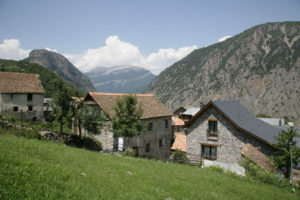
Saravillo: Pueblo típicamente pirenaico. Situado a las faldas de Peña Llerga y a unos de 980m de altitud. Destaca su ubicación y belleza paisajística.

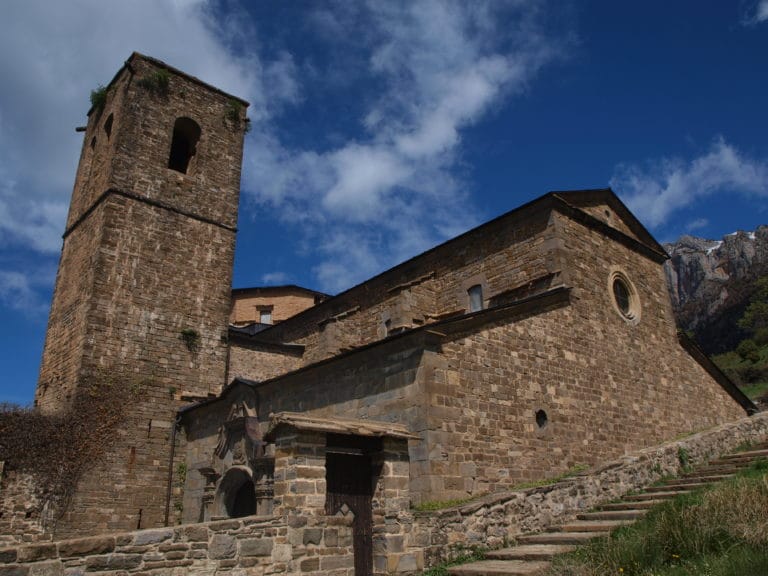
Sin: Situado en la parte alta del valle, todavía conserva elementos de gran interés. Destaca la Iglesia de San Esteban, del s. XVI, donde se conservan los restos de la momia conocida como Tiburcio. Además se puede visitar un antiguo molino harinero y la serrería.

Serveto: De origen medieval, conserva su Iglesia del s.XVI-XVII. El paisaje que le rodea, entre praderas, chopos y las cumbres del Cotiella, es de gran belleza.

Plan: Se encuentra situado a 1120m de altitud, frente a las peñas de Las Once y Mediodía y a orillas del río Cinqueta. Destacan antiguas casas de infanzones, como casa Turmo y casa Ballarín, con torreón del s.XVI. La Iglesia, restaurada en varias ocasiones, conserva restos románicos del s.XVI.

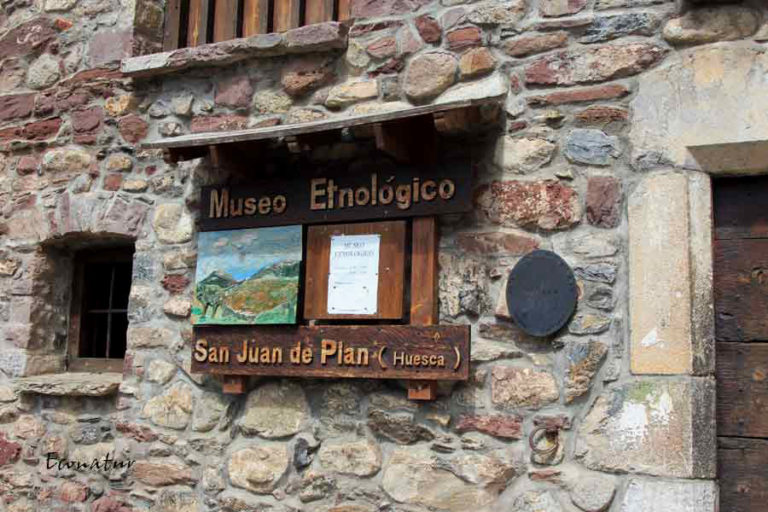
San Juan de Plan: Conjunto típico de casas montañesas. Posee un museo etnográfico de gran interés.

Gistaín: Prados y bordas rodean el pueblo de Gistaín, en el valle alto del Cinqueta. Entre las casas se levantan tres hermosos torreones de los s, XVI y XVIII. Se puede visitar el Taller de artesanía de la Madera y ver como trabajan estos artesanos.

Enlaces de Interés:
www.baldechistau.net

[foogallery id="21348"]

This is one of the Pyrenees most striking valleys along which run the waters of the River Cinqueta.  Set in a landscape of contrasts, this natural haven is the gateway to the Posets-Maladeta Natural Park. Topography ranges from the rocky deserts of the highest peaks of Posets, Bachimala o Punta Suelza, to the green meadows where livestock still graze. From here you can take many walks and excursions such as to the iconic Ibón de Plan (or Basa de la Mora), the lakes of Millaris or Cruz de Guardia.

These isolated villages all have their own character. Saravillo, Serveto, Sin, Plan, San Juan de Plan and Gistaín keep their traditions, language (El chistabín) and customs intact. Carnaval, traditional fiestas like the “Trucos”, costumes and folk dances are all still practiced in the villages of the Chistau valley.

Saravillo: A typically Pyrenean village. Located on the slopes of the Peña Llerga at an altitude of 980m. Famed for its position and its beautiful landscapes.


Sin: Sits up in a high part of the valley and still retains some fascinating features. Among them is the 16th century church of Saint Esteban which houses a human mummy known as Tiburcio. As well as this you can visit the old flour mill and the saw mill.


Plan: Situated at an altitude of 1120mts opposite the peaks of Las Once y Mediodía on the banks of the River Cinqueta. Here you’ll find the ancient houses of local nobility such as casa Turmo and casa Ballarín, with its 16th century tower. The church, restored over several phases still has some 16th century features.Serveto: This village of medieval origin boasts a 16th to 17th century church. It is surrounded by a beautiful landscape of Poplars and meadows below the peaks of Cotiella.


San Juan de Plan: A typical community of high mountain houses. You can visit the fascinating ethnographical museum there.


Gistaín: Meadows and mountain barns surround the village of Gistain in the upper valley of the Cinqueta. Three fine towers from the 16th and 17th century rise above the houses and you can visit the carpentry work shop to see how these craftsmen work.


Interesting link:

www.baldechistau.net

Les eaux de la rivière Cinqueta creusent cette vallée, l’une des plus authentiques des Pyrénées. Porte d’entrée au Parc Naturel Posets-Maladeta, ce paradis naturel est composé de paysages contrastés. Des hauts sommets, déserts de roche et de pierre, tels que le Posets, Bachimala ou Punta Suelza, aux vertes prairies où l’on voit encore paître les troupeaux. Point de départ de nombreuses randonnées célèbres, comme celle du Lac de Plan (ou Basa de la Mora), les lacs de Millaris ou Cruz de Guardia.

Isolés géographiquement, les villages de cette vallée ont une identité propre. Saravillo, Serveto, Sin, Plan, San Juan de Plan et Gistaín maintiennent intactes leurs traditions, leur dialecte, le chistabín, ainsi que leurs coutumes. Carnaval, fêtes traditionnelles comme « Los Trucos », costumes et danses populaires sont perpétués chaque année dans les villages de la vallée Chistau. 


Saravillo: Village typique des Pyrénées. Situé sur le flanc de Peña Llerga, à environ 980m d’altitude. Intéressant pour sa situation et la beauté de ses paysages. 

Sin: Situé sur la partie haute de la vallée, ce village conserve encore des éléments de grand intérêt, notamment l’église de San Esteban du. XVIème siècle, où sont conservés les restes de la momie connue comme Tiburcio, ou encore un ancien moulin et la scierie, qui peuvent être visités.

Serveto: D’origine médiévale, ce village conserve son Église du XVI-XVIIe s. Le paysage qui l’entoure, entrée prairies, peupliers et les sommets de Cotiella, est de toute beauté.

Plan: Situé à 1120m d’altitude, face aux peñas de Las Once et Mediodía, au bord de la rivière Cinqueta, ce village regroupe d’anciennes maisons nobles, comme casa Turmo et casa Ballarín, avec une tour datant du XVIème siècle. L’Église, restaurée à plusieurs reprises, conserve des vestiges romans du XVIème siècle.


San Juan de Plan: Village typique de montagne. Possède un musée ethnographique de grand intérêt. 

Gistaín: village bordé de prairies et de granges, dans la partie haute de la vallée du Cinqueta. Entre les maisons s’élèvent trois magnifiques tours des XVIème siècle et XVIIIème siècle. L’atelier artisanal du bois est à visiter pour voir comment travaillent ces artisans.

En savoir plus:

www.baldechistau.net